
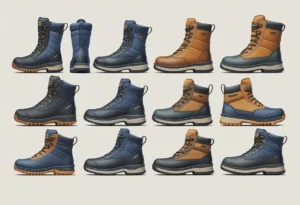
Let’s review freezer boots so you know which ones are the best for you and your company. Working in freezing conditions demands more than just warm clothing. Your feet take the brunt of the cold floor and long hours on your feet, so the right boots matter a lot.
The best freezer boots are insulated, waterproof, and designed for safety and comfort in sub-zero environments.
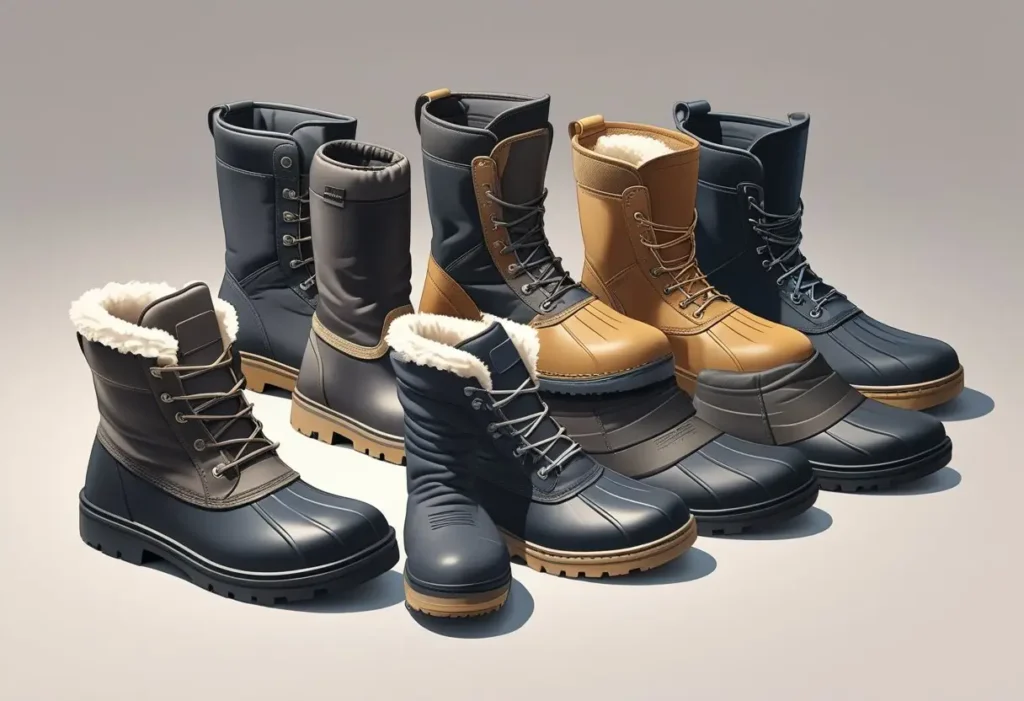
You want boots that keep your feet warm but don’t feel like bricks, give you traction on slippery floors, and actually last through daily use. Some models offer insulation rated down to -40°F, rugged rubber soles, and quick adjustment systems for a snug fit.
Certain boots really shine in extreme cold, while others nail the balance between warmth and flexibility for long shifts.
Top Freezer Boots to Buy in 2025
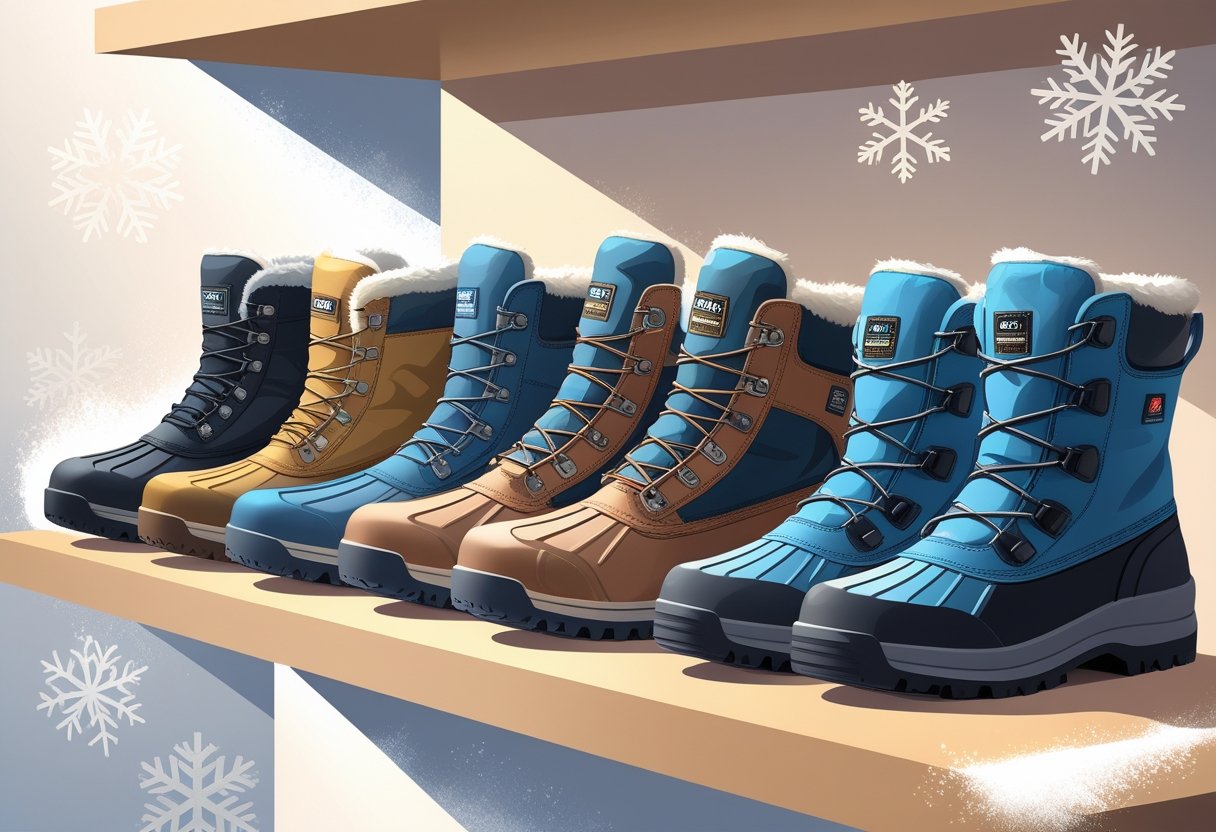
The best freezer boots hit that sweet spot between warmth, grip, and comfort, all while standing up to long shifts in the cold. Some zero in on insulation for bitter temperatures, others add safety features like steel toes, and a few keep things affordable without skimping on durability.
Best Overall Freezer Boots
If you want warmth, comfort, and durability all in one, insulated waterproof boots are the way to go. The RefrigiWear Extreme Hiker is a standout, packing 1000g insulation and a waterproof shell. Your feet stay dry and warm, even in deep-freeze conditions.
The BOA Fit System lets you adjust them fast, even with gloves on. Thick rubber outsoles grip icy floors, so you’re less likely to slip.
These boots are ideal for warehouse workers, food storage, or any cold job where you need to stay comfortable all day. They’re pricier than the basics, but you get solid protection and durability for the money.
Best Budget Freezer Boots
Need cold protection but don’t want to overspend? Budget-friendly freezer boots do the trick. Most use synthetic insulation and water-resistant uppers instead of top-shelf materials.
Lightweight insulated work boots with rubber soles can keep your feet warm in moderate freezer temps. They won’t handle serious cold like premium models, but they work for shorter shifts or less extreme exposure.
You can find affordable freezer boots with slip resistance and basic insulation. If you’re only in the freezer for a few hours, a budget pair makes sense.
Best Steel-Toe Freezer Boots
If safety’s your top concern, steel-toe boots made for freezer work are a must. They protect against falling stuff and still keep your feet warm enough in sub-zero temps.
The best ones combine a reinforced toe cap with heavy insulation and waterproof materials. Go for slip-resistant soles—steel-toe boots can feel a bit heavier and stiffer than others.
These are especially good for warehouse or shipping jobs where you’re moving pallets or heavy goods. They might cost a bit more than non-safety boots, but the extra protection is worth it if you deal with hazards.
Best Boots for Extreme Cold
If your freezer drops to -20°F or lower, you need serious boots. High-performance picks like the RefrigiWear Extreme series use insulation rated for -40°F, so your toes stay warm when it’s brutal out there.
Look for thick insulation, waterproof builds, and deep-tread rubber soles. These details keep out moisture, stop slips, and cut heat loss through the floor.
Extreme cold boots are bulkier than regular work boots, but if you’re in a freezing warehouse or outdoor cold storage all day, you’ll be glad for the extra warmth and protection.
Key Features to Look For in Freezer Boots
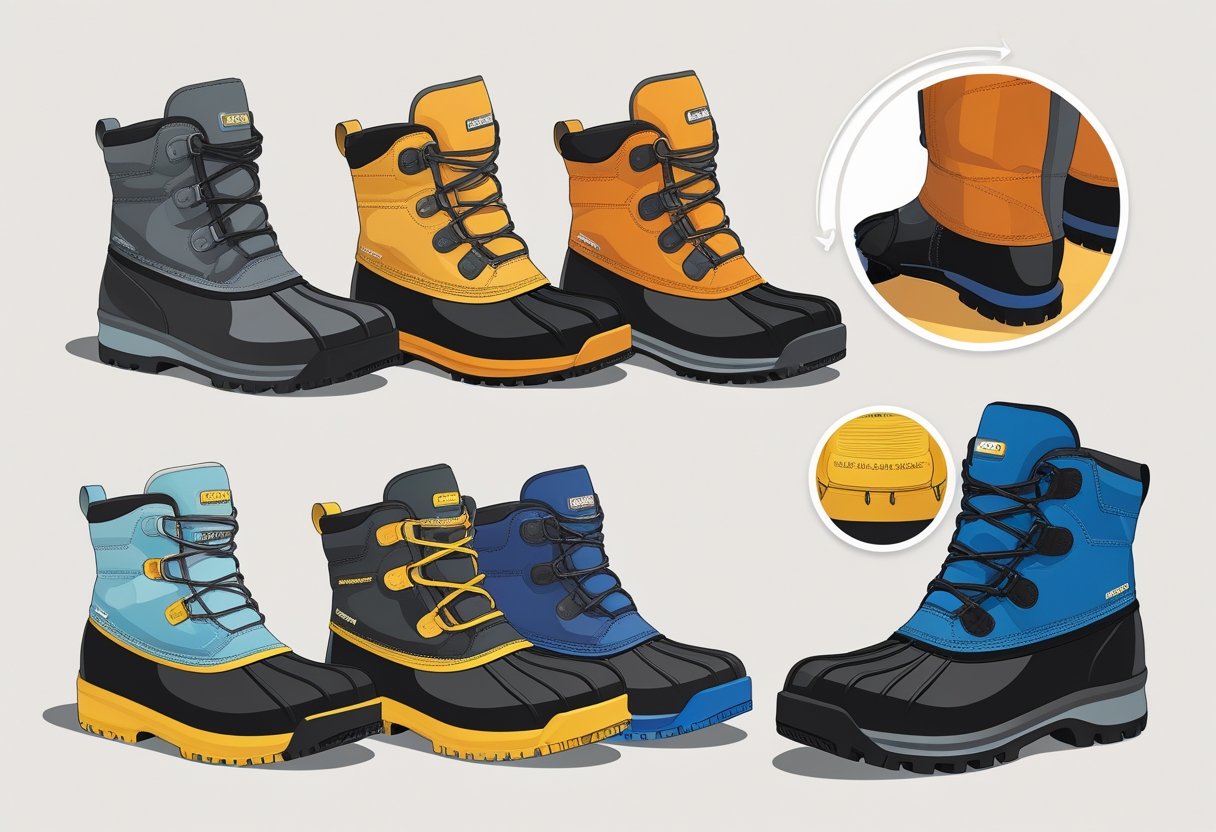
The right freezer boots keep your feet warm, dry, and steady on slick, cold surfaces. They rely on good insulation, waterproofing, solid traction, and a fit that doesn’t make you miserable after a few hours.
Insulation and Warmth
Insulation is the biggest factor in freezer boots. Without it, your feet lose heat fast in subzero temps. Go for boots with 3M Thinsulate or similar high-quality insulation. These trap heat without making the boots clunky, so you can actually move.
Some boots have layered insulation and removable liners—you can swap or dry them out if they get damp. Insulated insoles help too, especially since most heat loss happens through the bottom of your boot.
Check the insulation weight. Boots with 400g to 800g insulation are common, but you might want more if you’re in deep cold for hours. Pick the right level for your needs—too much insulation and your feet might sweat, too little and you’ll freeze.
Waterproof Construction and Membranes
Freezers mean condensation and moisture, not just cold. To avoid wet feet, you need waterproof boots with sealed seams and a tough waterproof membrane. That keeps out melted ice, spills, and damp freezer air.
Treated leather, rubber, or synthetic uppers add another layer of defense. Many boots use membranes that let sweat escape, so your socks stay drier.
Good waterproofing means your boots last longer. Moisture can wreck stitching and weaken materials. If you invest in solid waterproof construction, you’ll replace boots less often and keep your feet dry.
Slip-Resistant Outsoles
Freezer floors get icy and slick, so you need serious traction. A rubber outsole with deep treads gives you grip on wet or smooth surfaces. Look for boots labeled slip-resistant shoes—they’re tested for safety on slippery floors.
Some boots use dual-density soles: an EVA midsole for cushioning and a tougher rubber base for grip. That combo keeps you comfortable and steady.
Outsoles that resist oil and chemicals help if you deal with spills. For the best safety, pick boots with aggressive tread that channels water away and keeps you upright.
Comfort and Fit
Even the warmest, safest boots are useless if they don’t fit right. You want a snug (not tight) fit to trap heat but not cut off circulation. Look for padded collars, cushioned insoles, and ergonomic shapes that don’t dig into your feet.
Lightweight materials like EVA midsoles help absorb impact during long shifts. Side zippers or quick-lace systems make it easier to get boots on and off, which is a nice bonus.
When shopping for foot protection, check sizing—thick socks or liners can change how boots fit. Getting the right size means you stay comfortable and get the insulation and support you need.
Types of Freezer Boots and Work Shoes

Picking the right freezer footwear comes down to safety, comfort, and insulation. You’ve got to weigh cold protection, slip resistance, and whether you need toe protection for your job.
Steel-Toe vs. Composite Toe Boots
Steel-toe boots give you solid protection from falling objects or heavy gear. They’re tough and meet most safety standards. Downside? Steel transfers cold, so your feet might get chilly faster.
Composite toe boots use materials like fiberglass, carbon fiber, or plastic. They don’t conduct cold like steel, so your feet stay warmer. They’re also lighter, which helps on long days.
If your freezer job has strict safety codes, you’ll probably need steel toes. But if warmth and comfort are higher priorities, composite toes might be a better bet. Always double-check your workplace rules before picking.
Comparison Table
| Feature | Steel-Toe Boots | Composite Toe Boots |
|---|---|---|
| Protection Level | High, very strong | High, meets safety codes |
| Weight | Heavier | Lighter |
| Cold Transfer | Higher | Lower |
| Comfort in Freezers | Moderate | Better |
Freezer Work Shoes
Freezer work shoes are all about mobility and comfort in cold storage. They’re lighter than boots and make it easier to move around. Most have slip-resistant soles to help you stay upright on icy or wet floors.
The best ones have thermal insulation to keep your feet warm. Some use waterproof materials to block moisture, which helps prevent numb toes and discomfort.
You might want freezer work shoes if your job means walking or bending a lot. They’re warm enough for quick freezer trips and keep you more agile. But for long hours in really cold freezers, thicker insulated boots are probably smarter.
Insulated vs. Non-Insulated Options
Insulated boots use things like Thinsulate, wool, or foam to trap heat. If you’re in sub-zero temps for hours, these are a must. They help prevent frostbite and numbness, which nobody wants at work.
Non-insulated boots are lighter and breathe better. They’re good if you’re in and out of cold areas and don’t need constant warmth. Less sweating, too, which keeps your feet drier.
If you’re in the freezer all day, go insulated. If you only pop in now and then, non-insulated might be enough—and more comfortable.
Key Points:
- Insulated boots = best for long freezer shifts
- Non-insulated boots = best for short or mixed environments
How to Choose the Right Freezer Boots
The best freezer boots keep your feet off the cold floor, block moisture, and support you through long shifts. Think about your work environment, how the boots fit, and what materials will actually hold up in the cold.
Assessing Your Work Environment
Check the temperature and floor in your freezer first. Some stay at -10°F, others go much lower. The colder it gets, the more insulation you’ll need. Look for boots with 200g to 800g insulation, depending on how long you’re exposed.
If floors are slippery, get boots with non-slip rubber outsoles and deep tread. That helps cut down on falls.
Moisture’s another issue. Condensation and spills can soak regular shoes. Waterproof boots with sealed seams stop leaks and keep your socks dry. If you’re dealing with standing water, higher boots that cover your ankles are a smart move.
Sizing and Fit Considerations
Getting the right fit really matters for warmth and comfort. If boots are too tight, your feet get cold because blood can’t circulate. Too loose? You’ll probably end up with blisters. Try them on with the thermal socks you’ll actually wear at work—otherwise, the fit might surprise you later.
Make sure your toes have a bit of space—about half an inch in the toe box is good. That little gap lets air move around and helps trap heat. Your heel should feel snug, not slipping up and down as you walk.
Most freezer boots only come in whole sizes. If you’re between sizes, going up a size usually works better, especially if you add thicker socks or insoles. Removable insoles are handy too; you can swap them out for something softer or warmer if you want.
Durability and Material Quality
Freezer work is rough on boots. You’ll want leather, rubber, or sturdy synthetic materials that don’t crack in the cold. Thin stuff just gets stiff or splits after a while—trust me, it’s not worth it.
Check the stitching and seams. Double stitching and sealed seams last way longer than glued ones. Reinforced toe caps and heel guards help too, especially in spots that wear down fast.
Thick rubber outsoles with oil- and slip-resistant tread are a must. They stand up to freezer floors and constant walking. Sure, tough boots might cost more upfront, but you’ll replace them less often and your feet will thank you.
Care and Maintenance Tips for Freezer Boots
Taking care of your freezer boots helps them last, keeps the insulation working, and makes sure you don’t lose traction. Cleaning, drying, and storing them right can really make a difference.
After each shift, wipe off dirt and salt with a damp cloth. For a deeper clean, use mild soap and lukewarm water. Skip the harsh chemicals—they can mess up insulation and ruin waterproof layers.
Take out insoles and laces before washing so everything dries out. If your boots have liners you can remove, clean those separately. It keeps odors down and stops the insulation from getting squished.
Don’t put freezer boots near direct heat like radiators or dryers. High heat cracks rubber and warps waterproofing. Just let them air-dry at room temperature.
If you’re in a hurry, stuff them with newspaper or use a boot dryer on low. Swap out the newspaper every few hours until it feels dry inside.
Storage Recommendations
Store your freezer boots somewhere cool and dry, away from sunlight. Heat and UV can break down rubber and weaken the stitching.
Keep them upright to help them hold their shape. Boot trees or rolled-up paper work fine for support. Don’t pile heavy stuff on top.
If you’re not going to use them for a while, clean and dry them first. Any leftover moisture can cause mold or weird smells.
A breathable fabric bag is better than plastic for storage—it keeps dust off but lets air in, so moisture doesn’t build up.
Check on your boots every few weeks if they’re in storage, just to make sure they’re still dry and holding up.
Safety and Comfort Considerations for Freezer Work
Working in freezers means you need boots that keep your feet warm and dry while lowering your risk of accidents. It’s all about finding the right mix of insulation and safety features.
Freezer floors get slick with frost, ice, and condensation. To avoid falls, pick slip-resistant shoes or boots with deep tread that grab onto the floor.
Rubber outsoles made for cold conditions give you better traction, even on icy warehouse floors. Some folks add ice cleats or traction devices when things get really slippery.
Waterproof boots help too. If water gets inside and freezes, your boots turn into ice blocks, which is miserable. Waterproofing keeps moisture out and extends the life of your boots.
Look for soles that stay flexible in the cold. Stiff soles lose grip, but the flexible ones keep you steady on your feet.
Protecting Against Cold-Related Injuries
Spending hours in freezing temperatures can lead to frostbite or numb toes.
Good insulation is a must. 3M Thinsulate is a popular pick—it traps heat but doesn’t make boots bulky, so you can still move around.
Some boots are rated for temperatures like -20°F or -40°F. It’s worth checking those numbers so you get what matches your work environment.
Keeping your feet dry matters, too. Boots with breathable liners help sweat escape, so your feet don’t get damp and cold. Pairing insulated boots with thermal socks adds another layer of warmth.
Cushioned insoles and padded interiors make long shifts less tiring. They help with circulation, which is key to keeping your feet warm and comfortable.
Frequently Asked Questions
When you’re picking out freezer boots, think about insulation, safety, and how they fit for those long shifts. The right pair should balance warmth, grip, and durability for the cold you deal with every day.
-
What features should I look for in high-quality freezer work boots?
Look for thick insulation, slip-resistant soles, and waterproofing. A padded insole is a lifesaver on long days, and reinforced uppers protect against cold surfaces. Good ankle support helps, especially if you’re on hard freezer floors all day.
-
Which brands offer the best insulated boots for freezer environments?
RefrigiWear, Muck Boot, and Timberland Pro get a lot of praise for insulated freezer boots. They focus on warmth, durability, and safety for cold work.
-
How do men’s and women’s freezer boots differ in design and function?
Men’s freezer boots usually come wider and in bigger sizes. Women’s boots have narrower heels and sometimes different arch support. Both types offer the same insulation and safety, but the fit is tweaked for foot shape.
-
Can you recommend footwear for extreme cold conditions like industrial freezers?
If you’re facing extreme cold, look for boots with at least 800g to 1200g of insulation and waterproofing. The RefrigiWear Extreme Hiker and Muck Boot Arctic Pro are built for really low temperatures and long hours in freezer warehouses.
-
What are the advantages of composite toe freezer boots over other types?
Composite toe boots are lighter than steel toes, which means less fatigue. They also don’t get as cold as metal, so your feet stay warmer. Even though they’re lighter, they still meet safety standards for impact and compression.
-
How do Thinsulate levels in boots correlate with warmth and insulation?
Generally, the more Thinsulate packed into a boot, the toastier your feet will feel. Take 200g insulation—that’s good enough for a brisk walk on a chilly day, but nothing extreme. Jump up to 600g and you’ll notice a big difference; that’s what folks wear when they’re standing around in the cold for hours.
For the hardcore cold, like working in industrial freezers, you’ll see boots with 800g or even more. It’s not just marketing—your toes will thank you in those subzero spots.
RefrigiWear, Muck Boot, and Timberland Pro get a lot of praise for insulated freezer boots. They focus on warmth, durability, and safety for cold work.
If you’re facing extreme cold, look for boots with at least 800g to 1200g of insulation and waterproofing. The RefrigiWear Extreme Hiker and Muck Boot Arctic Pro are built for really low temperatures and long hours in freezer warehouses.

 Are Nitrile Gloves Latex Free?
Leave a Reply